What Is an Energy Storage System (ESS)?
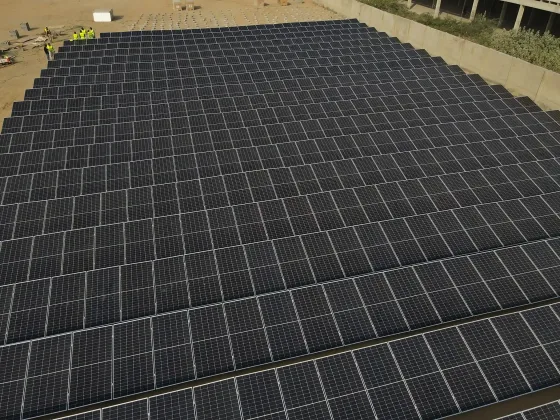
An Energy Storage System (ESS) allows businesses to store electricity generated by solar panels and use it when it’s most economically advantageous—during peak demand periods or grid outages. Instead of feeding excess solar energy back into the grid at a low rate, commercial facilities can retain that energy and deploy it when utility prices surge.
An ESS typically includes a lithium-ion battery bank, battery management system (BMS), bidirectional inverter, and energy management software. These systems are essential in maximizing the return on investment (ROI) from a commercial solar installation.
Lithium-ion batteries offer high efficiency, fast response time, and long operational life—key factors for commercial operations with significant energy demands. Their high energy density allows businesses to store large amounts of electricity in a relatively compact footprint, saving space and simplifying integration into existing infrastructure.
For example, NEOSUN’s battery systems scale up to 50–500 kWh per unit and can be configured in larger arrays to support factories, data centers, office buildings, hotels, or retail chains. These systems are particularly effective when paired with solar photovoltaic (PV) installations, allowing businesses to avoid grid electricity during peak hours and manage loads more efficiently.
How Solar and Storage Works in a Commercial Context
Here’s how a typical setup works: during daylight hours, the company’s solar panels generate electricity. Once immediate consumption is met, surplus energy is stored in the lithium-ion battery system. Later in the day, especially during high-tariff intervals (typically from 6 PM to 10 PM), the system discharges the stored energy, powering the facility and avoiding peak energy costs.
Additionally, in industrial or commercial settings with variable load profiles, a battery storage system can shave off short-duration peaks in demand—thus reducing demand charges, which often constitute a significant part of a business’s energy bill.
Real-World Example: Solar + Storage in a Commercial Setting
Imagine a logistics center consuming about 1,500 kWh per day, with a 200 kW solar PV system installed. By adding a 200 kWh lithium-ion battery, the facility can store midday solar energy and use it during evening operations or during sudden load spikes.
This setup allows the business to:
- Cut its monthly energy bill by 30–50%
- Reduce demand charges by up to 40%
- Maintain operations during grid failures (e.g., refrigeration, lighting, security systems)
- Improve overall energy independence
In some regions, excess stored energy can even be sold back to the grid at higher spot prices through virtual power plant (VPP) integration, adding another revenue stream.
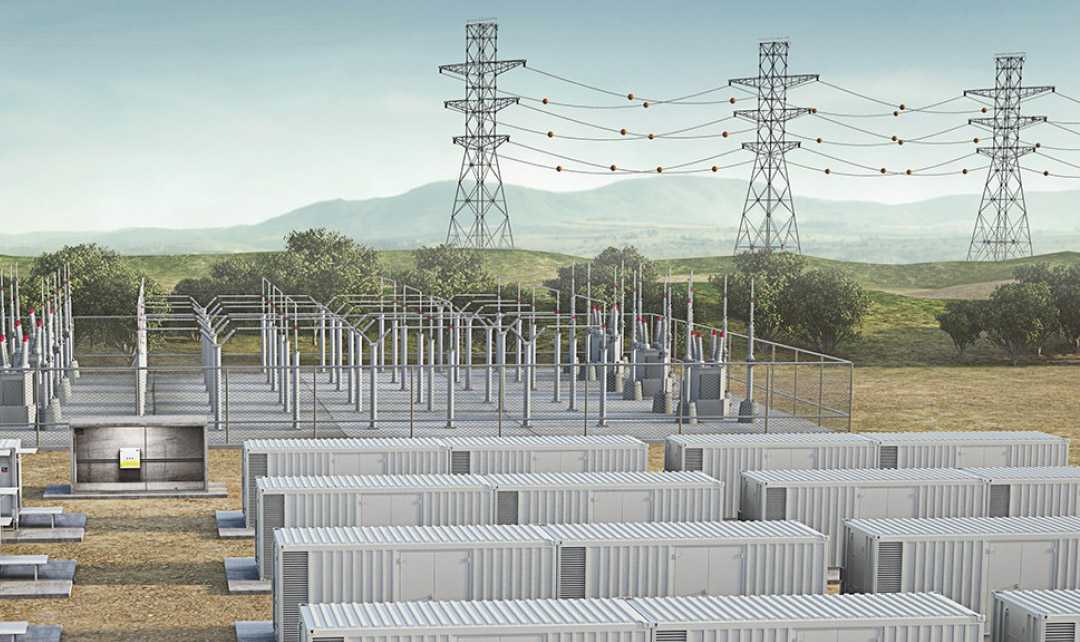
Large Neosun ESS Station
Intelligent Energy Management for Business Operations
Commercial solar ESS solutions include sophisticated energy management platforms that allow facility managers to monitor usage in real time, predict energy demand, and adjust energy flows dynamically.
These tools are especially important for multi-site enterprises or manufacturing lines that require energy stability and consistency. Smart control systems can also integrate with HVAC, EV charging, or production schedules to optimize performance and ROI.
ESS Application Scenarios
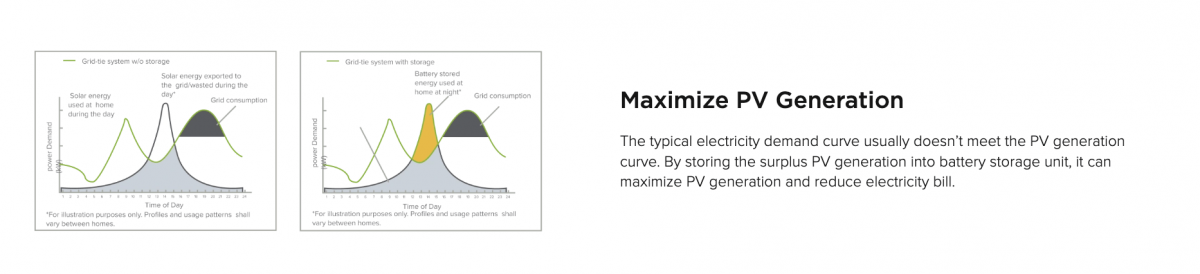 Maximizing Photovoltaic (PV) Generation
Solar energy production often peaks during midday when commercial energy demand is low, leading to surplus energy that may go unused.
Solution: By integrating ESS, businesses can store excess solar energy generated during peak sunlight hours. This stored energy can then be utilized during higher demand periods, such as evenings or cloudy days.
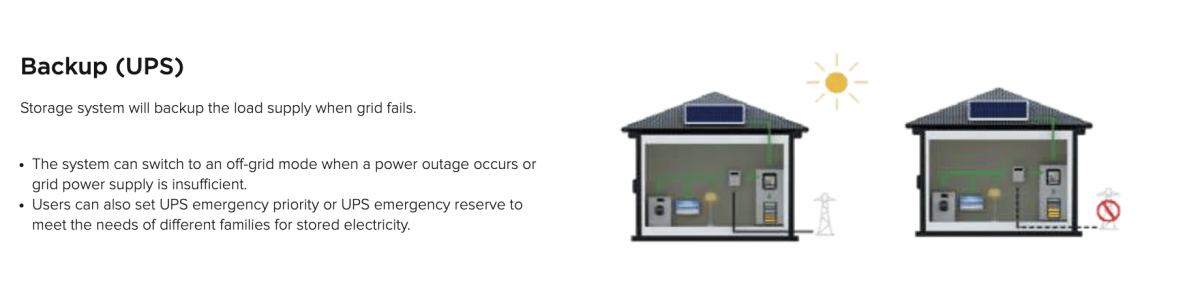
Power outages can disrupt operations, leading to potential revenue loss and equipment damage
Solution: ESS provides an uninterruptible power supply (UPS) by instantly switching to stored energy during grid failures, ensuring continuous power to critical systems.
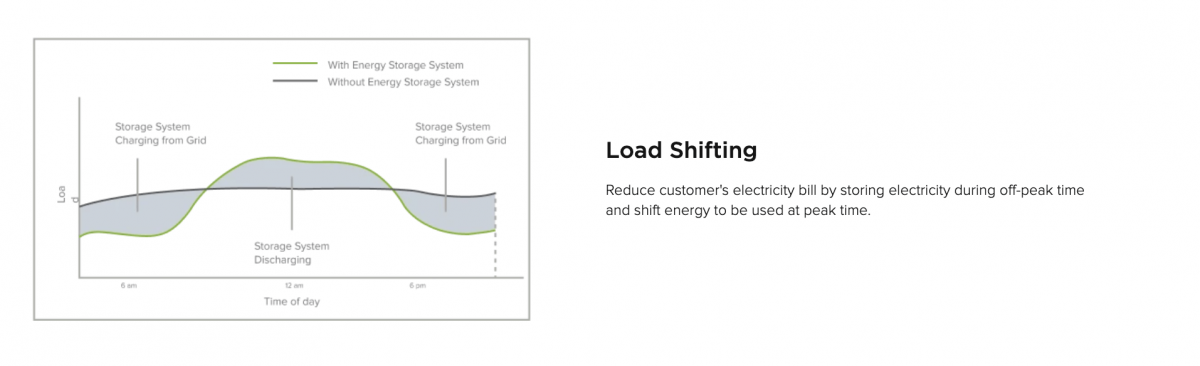
Electricity prices fluctuate throughout the day, with higher rates during peak demand periods.
Solution: ESS allows businesses to store energy during off-peak hours when electricity is cheaper and use it during peak hours, effectively shifting the load.
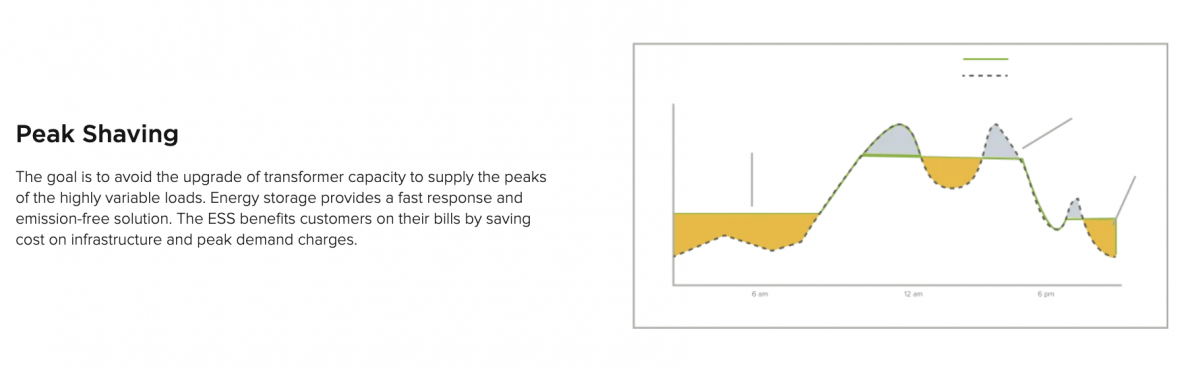
Sudden spikes in energy demand can lead to increased demand charges and the need for larger infrastructure investments.
Solution: ESS can discharge stored energy during peak demand moments, smoothing out consumption and avoiding demand spikes.
Safety, Scalability, and Grid Resilience
Modern commercial lithium-ion ESS systems are built with robust safety protocols, including thermal monitoring, fire suppression, and remote diagnostics. They are scalable, allowing businesses to start with a smaller battery pack and expand as their energy needs grow or as electricity prices fluctuate.
Additionally, commercial battery systems support grid stability by acting as distributed energy resources (DERs), helping to reduce pressure on the local grid infrastructure during high-demand periods
Supporting ESG Goals and Operational Sustainability
Beyond cost savings, integrating solar energy storage is an impactful way for businesses to meet ESG (Environmental, Social, and Governance) targets. By reducing reliance on fossil fuels and cutting greenhouse gas emissions, companies enhance their sustainability profile—critical for brand image, regulatory compliance, and access to green financing.
Many governments now offer tax credits, accelerated depreciation, and grant programs specifically for commercial solar + battery systems, which significantly reduce payback periods.
For businesses looking to stabilize energy costs, reduce peak demand, and increase operational resilience, lithium-ion Energy Storage Systems combined with solar power are a proven solution. Whether you’re managing a manufacturing facility, warehouse, or office complex, investing in a solar ESS can lead to long-term savings, improved sustainability, and energy independence.
Find more information here.